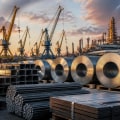
The industrial material supply industry serves as the backbone of manufacturing and production sectors, providing essential materials that drive economic growth and innovation. This industry encompasses a wide range of materials, including metals, plastics, chemicals, and textiles, which are critical for various applications across multiple sectors such as construction, automotive, aerospace, and electronics. Understanding the dynamics of this industry is crucial for stakeholders aiming to optimize their operations and enhance supply chain efficiency. At its core, the industrial material supply industry operates on a complex network of suppliers, manufacturers, and distributors. Each component plays a vital role in ensuring that materials are sourced, processed, and delivered in a timely manner.
The efficiency of this supply chain directly impacts production timelines and costs, making it imperative for businesses to have a solid grasp of supply chain basics. Factors such as demand forecasting, inventory management, and logistics are integral to maintaining a smooth flow of materials. As we delve deeper into the intricacies of the industrial material supply industry, it becomes evident that technology is not just an accessory but a fundamental element that shapes its future. From advanced data analytics to automation and digital platforms, technology is revolutionizing how materials are sourced and distributed. This transformation not only enhances operational efficiency but also fosters sustainability by minimizing waste and optimizing resource use.
In the following sections, we will explore how these technological advancements are redefining the landscape of the industrial material supply industry.
The Evolution of Technology in Industrial Material Supply
The industrial material supply industry has undergone significant transformations over the decades, driven largely by technological advancements. Understanding the history of technology in supply chain management reveals how these innovations have shaped the way materials are sourced, managed, and delivered.In the early 20th century, the industrial sector relied heavily on manual processes and rudimentary tools. The introduction of mechanization marked a pivotal moment, allowing for increased efficiency in production and logistics. However, it wasn't until the latter half of the century that technology began to play a more pronounced role.Key Milestones in Technological Advancements
- Computerization (1960s-1980s): The advent of computers revolutionized data management within the industrial material supply sector.
Companies began to adopt inventory management systems that allowed for real-time tracking of materials.
- Internet and E-commerce (1990s): The rise of the internet facilitated global trade and opened new avenues for sourcing materials. E-commerce platforms emerged, enabling suppliers and manufacturers to connect more efficiently.
- Automation and Robotics (2000s): Automation technologies began to dominate warehouses and manufacturing plants. Robotics improved accuracy in order fulfillment and reduced labor costs, further streamlining the supply chain.
- Data Analytics and AI (2010s-Present): The integration of big data analytics and artificial intelligence has transformed decision-making processes. Companies can now predict demand trends, optimize inventory levels, and enhance supplier relationships through data-driven insights.
Innovations such as blockchain technology are being explored to enhance transparency in sourcing materials, ensuring ethical practices throughout the supply chain.As we look to the future, it is clear that technology will continue to play a crucial role in shaping the industrial material supply landscape. Companies that embrace these advancements will not only improve their operational efficiency but also gain a competitive edge in an increasingly complex market.
Key Technologies Transforming the Industry
The industrial material supply industry is undergoing a significant transformation driven by various cutting-edge technologies. These advancements not only enhance efficiency but also improve transparency and reliability across the supply chain.Automation
One of the most impactful technologies in the industrial supply sector is automation. Automated systems streamline operations by reducing manual labor and minimizing human error.For instance, automated inventory management systems can track stock levels in real-time, ensuring that materials are always available when needed. This leads to better resource allocation and reduced operational costs.
Internet of Things (IoT)
The integration of the Internet of Things (IoT) into the supply chain has revolutionized how companies monitor and manage their materials. IoT devices can provide real-time data on equipment performance, environmental conditions, and inventory status. This data allows businesses to make informed decisions quickly, enhancing responsiveness to market demands.For example, sensors can alert managers when stock levels fall below a certain threshold, prompting timely reordering.
Artificial Intelligence (AI)
Artificial Intelligence (AI) is another game-changer in the industrial material supply landscape. AI algorithms analyze vast amounts of data to predict trends, optimize routes for delivery, and even forecast demand for specific materials. By leveraging AI, companies can reduce waste and improve their overall supply chain efficiency.Blockchain Technology
Blockchain technology is gaining traction in the industrial material supply industry due to its ability to enhance transparency and security. By creating a decentralized ledger of transactions, blockchain ensures that all parties involved in the supply chain have access to accurate and tamper-proof information.This not only builds trust among stakeholders but also helps in tracking the provenance of materials, which is crucial for compliance and quality assurance.In conclusion, the adoption of these key technologies—automation, IoT, AI, and blockchain—is transforming the industrial material supply industry. As these technologies continue to evolve, they will undoubtedly lead to more efficient, transparent, and resilient supply chains.
Benefits of Technology in Industrial Material Supply
The integration of technology in the industrial material supply industry has revolutionized the way businesses operate, leading to significant benefits that enhance overall performance. One of the most notable advantages is the increased efficiency across the supply chain. Advanced technologies such as automation, artificial intelligence, and data analytics streamline processes, reducing the time required for material handling and logistics.For instance, automated inventory management systems can track stock levels in real-time, ensuring that materials are available when needed without overstocking.This not only saves time but also minimizes waste, contributing to a more sustainable operation.
Cost Reduction
- Lower Operational Costs: By automating repetitive tasks, companies can reduce labor costs and allocate resources more effectively.
- Minimized Errors: Technology reduces human error in order processing and inventory management, which can lead to costly mistakes.
- Optimized Transportation: Advanced routing software helps in planning efficient delivery routes, cutting down fuel costs and improving delivery times.
Embracing these technological advancements is crucial for staying ahead and meeting the evolving demands of customers.
Challenges and Risks Associated with Technology Adoption
The adoption of technology in the industrial material supply industry is not without its challenges and risks. As companies strive to enhance efficiency and streamline operations, they often encounter significant hurdles that can impede progress.Challenges in Technology Adoption
One of the primary challenges is the integration of new technologies with existing systems. Many organizations rely on legacy systems that may not be compatible with modern solutions, leading to increased costs and extended timelines for implementation. Additionally, the workforce may require extensive training to adapt to new tools, which can disrupt productivity during the transition period.Risks in the Industrial Supply Chain
The risks associated with technology adoption extend beyond operational challenges.The industrial supply chain is particularly vulnerable to disruptions caused by technological failures or cyberattacks. A single breach can compromise sensitive data, leading to financial losses and damage to a company’s reputation.
Cybersecurity Issues
As companies increasingly rely on digital platforms for managing their supply chains, cybersecurity issues have become a pressing concern. The rise of IoT devices and interconnected systems has expanded the attack surface for cybercriminals. Organizations must invest in robust cybersecurity measures to protect against potential threats, which can be both costly and complex. Moreover, regulatory compliance adds another layer of complexity.Companies must navigate a landscape of evolving regulations regarding data protection and cybersecurity, which can vary significantly across regions. In conclusion, while technology offers numerous benefits for the industrial material supply sector, companies must carefully consider the associated challenges and risks. A strategic approach that includes thorough risk assessments and proactive cybersecurity measures is essential for successful technology adoption.
Case Studies: Successful Technology Implementation in Industrial Supply
In the rapidly evolving landscape of the industrial material supply industry, several companies have successfully harnessed technology to enhance their operations. These case studies illustrate how innovative solutions can lead to improved efficiency, reduced costs, and better customer satisfaction.Case Study 1: XYZ Manufacturing
XYZ Manufacturing implemented an advanced inventory management system that utilizes IoT (Internet of Things) sensors to track material usage in real-time. By integrating this technology, they achieved:- 30% reduction in excess inventory costs
- 25% improvement in order fulfillment speed
- Enhanced visibility into supply chain operations
Case Study 2: ABC Logistics
ABC Logistics adopted a cloud-based platform for managing their supply chain operations.This technology enabled them to:
- Facilitate better communication between suppliers and customers
- Implement predictive analytics for demand forecasting
- Reduce lead times by 15%
Case Study 3: DEF Construction Supplies
DEF Construction Supplies leveraged automation in their warehousing processes by introducing robotic picking systems. The results were significant:- 40% increase in picking accuracy
- 50% decrease in labor costs associated with order fulfillment
- Faster turnaround times for customer orders
Future Trends in Technology for Industrial Material Supply
As we look towards the future, the industrial material supply industry is poised for significant transformation driven by emerging technologies. These advancements promise to enhance efficiency, reduce costs, and improve sustainability across the supply chain.Automation and Robotics
One of the most notable trends is the increasing adoption of automation and robotics.Automated systems can streamline operations, from inventory management to order fulfillment. Robotics can handle repetitive tasks with precision, allowing human workers to focus on more complex responsibilities. This shift not only boosts productivity but also minimizes human error.
Artificial Intelligence and Machine Learning
Artificial Intelligence (AI) and Machine Learning (ML) are set to revolutionize decision-making processes within the industrial material supply sector. By analyzing vast amounts of data, these technologies can predict demand trends, optimize inventory levels, and enhance supplier selection.Companies that leverage AI and ML will gain a competitive edge by making informed decisions that align with market dynamics.
Blockchain Technology
Blockchain technology is another game-changer for the industrial material supply chain. By providing a decentralized ledger, blockchain enhances transparency and traceability in transactions. This technology can help mitigate fraud, ensure compliance with regulations, and foster trust among stakeholders. As more companies adopt blockchain solutions, we can expect a more secure and efficient supply chain.Sustainability Innovations
The push for sustainability is also influencing future trends in the industrial material supply industry.Technologies that promote sustainable practices, such as eco-friendly materials and energy-efficient processes, are gaining traction. Companies are increasingly focusing on reducing their carbon footprint and adopting circular economy principles, which will shape their operational strategies moving forward.
Conclusion
In conclusion, the future of technology in the industrial material supply industry is bright, with numerous innovations on the horizon. By embracing automation, AI, blockchain, and sustainable practices, businesses can not only enhance their operational efficiency but also contribute positively to the environment. Staying ahead of these trends will be crucial for companies aiming to thrive in an ever-evolving marketplace.Conclusion: The Integral Role of Technology in Shaping the Future of Industrial Material Supply
In conclusion, the role of technology in the industrial material supply industry cannot be overstated.As we have explored throughout this article, advancements in technology are not merely enhancements; they are transformative forces that redefine how materials are sourced, managed, and delivered. From the implementation of automation and robotics in warehouses to the integration of IoT devices for real-time tracking, technology is streamlining operations and increasing efficiency. These innovations lead to reduced costs and improved accuracy in inventory management, which are critical for businesses aiming to stay competitive in a rapidly evolving market. Moreover, the rise of data analytics allows companies to make informed decisions based on predictive insights. By analyzing trends and consumer behavior, businesses can optimize their supply chains, ensuring that they meet demand without overstocking or understocking materials. The shift towards sustainable practices is another area where technology plays a pivotal role. With the advent of green technologies, companies can now source materials more responsibly, reducing their environmental footprint while still meeting industrial needs. As we look to the future, it is clear that the industrial material supply industry will continue to evolve alongside technological advancements.
Companies that embrace these changes will not only enhance their operational capabilities but also position themselves as leaders in sustainability and innovation. In summary, technology is not just an accessory in the industrial material supply chain; it is an integral component that shapes its future. By leveraging these advancements, businesses can ensure they remain agile, efficient, and responsive to the ever-changing demands of the market.