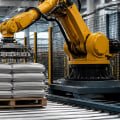
In today's rapidly evolving industrial landscape, the production and supply of industrial materials are more critical than ever. These materials serve as the backbone for various sectors, including construction, manufacturing, and technology. As industries strive for efficiency and sustainability, understanding the dynamics of industrial material supply becomes essential. The integration of advanced technologies not only enhances production capabilities but also transforms the entire supply chain, making it more responsive to market demands. The impact of technology on industrial material supply is profound.
Innovations such as automation, artificial intelligence, and data analytics are reshaping how materials are sourced, produced, and distributed. For instance, automated systems can optimize inventory management, reducing waste and ensuring that materials are available when needed. Furthermore, predictive analytics can forecast demand trends, allowing manufacturers to adjust their production schedules proactively. This level of agility is crucial in a world where consumer preferences can shift rapidly. Moreover, advancements in technology facilitate greater transparency within the supply chain.
Blockchain technology, for example, enables real-time tracking of materials from source to end-user, enhancing accountability and trust among stakeholders. As industries increasingly prioritize sustainability, technologies that promote eco-friendly practices in material sourcing and production are gaining traction. This not only helps companies meet regulatory requirements but also appeals to environmentally conscious consumers. In summary, the intersection of technology and industrial material supply is a dynamic field that holds significant implications for future industrial practices. As we delve deeper into this topic, we will explore specific technological advancements and their transformative effects on the production and supply of industrial materials.
Understanding Industrial Materials: Types and Importance
Industrial materials are the backbone of various manufacturing and construction processes, playing a crucial role in the development of products and infrastructure.Understanding the different types of industrial materials and their significance is essential for anyone involved in these sectors.
Types of Industrial Materials
- Metals: These are widely used due to their strength and durability. Common metals include steel, aluminum, and copper, each serving specific applications such as construction, automotive, and electronics.
- Plastics: Versatile and lightweight, plastics are used in everything from packaging to automotive parts. Their ability to be molded into various shapes makes them indispensable in modern manufacturing.
- Ceramics: Known for their heat resistance and hardness, ceramics are often used in applications requiring durability, such as tiles, bricks, and advanced engineering components.
- Composites: Combining two or more materials, composites offer enhanced properties like increased strength-to-weight ratios. They are commonly found in aerospace and automotive industries.
- Textiles: Industrial textiles are engineered for specific functions, including filtration, insulation, and reinforcement in various applications.
Importance of Industrial Materials
The importance of industrial materials cannot be overstated.They are essential for:
- Manufacturing Efficiency: High-quality materials lead to better product performance and longevity, reducing waste and costs over time.
- Innovation: Advancements in material science drive innovation, enabling the creation of new products that meet evolving consumer demands.
- Sustainability: The development of eco-friendly materials contributes to sustainable practices within industries, helping to minimize environmental impact.
Technological Advancements in Material Production
In recent years, technological advancements have significantly transformed the landscape of industrial material supply, particularly in the realm of material production. Innovations such as automation, artificial intelligence (AI), and 3D printing have not only enhanced production efficiency but also revolutionized the way materials are manufactured.Automation
has played a pivotal role in streamlining production processes. By integrating automated systems, manufacturers can achieve higher output rates while minimizing human error. This shift allows for a more consistent quality of materials, which is crucial in industries where precision is paramount.
For instance, automated assembly lines can produce components at a fraction of the time it would take manually, thereby reducing lead times and increasing overall productivity.Moreover, the incorporation of AI into manufacturing processes has enabled companies to optimize their operations further. AI algorithms can analyze vast amounts of data to predict equipment failures, manage supply chains more effectively, and even enhance product design. This predictive capability not only reduces downtime but also ensures that materials are produced in alignment with market demand, thus minimizing waste.Another groundbreaking innovation is 3D printing , which has opened new avenues for material production. This technology allows for the creation of complex geometries that were previously impossible or cost-prohibitive to manufacture using traditional methods.
With 3D printing, companies can produce customized parts on-demand, significantly reducing inventory costs and lead times. Additionally, this method often uses less material than conventional manufacturing processes, contributing to sustainability efforts within the industry.In conclusion, the integration of these advanced technologies into the production of industrial materials not only enhances efficiency but also fosters innovation. As manufacturers continue to adopt these technologies, we can expect further improvements in the industrial material supply chain, ultimately leading to more sustainable and responsive production practices.
Supply Chain Innovations Driven by Technology
In recent years, advancements in technology have significantly transformed the industrial material supply chain, enhancing logistics and overall supply chain management. These innovations have led to improved efficiency, reduced costs, and increased transparency throughout the entire process.One of the most impactful developments is the integration of real-time tracking systems.Utilizing GPS and RFID technology, companies can monitor the location and status of materials at every stage of the supply chain. This capability not only allows for better inventory management but also helps in anticipating delays and optimizing delivery routes.Moreover, data analytics plays a crucial role in enhancing supply chain efficiency. By analyzing historical data and current trends, businesses can make informed decisions regarding procurement, production schedules, and distribution strategies. This predictive capability enables companies to respond swiftly to market demands and minimize waste.
- Enhanced Visibility: With real-time data, stakeholders can gain insights into the entire supply chain process, leading to better coordination among suppliers, manufacturers, and distributors.
- Cost Reduction: By optimizing logistics through advanced algorithms and data analysis, companies can significantly lower transportation and storage costs.
- Improved Responsiveness: Technology allows for quicker adjustments to supply chain operations in response to unexpected changes in demand or supply disruptions.
Automated systems can handle tasks such as sorting, packing, and shipping with greater speed and accuracy than manual processes. This not only increases productivity but also reduces human error, further enhancing the reliability of the industrial material supply.In conclusion, the integration of advanced technologies into supply chain management is revolutionizing how industrial materials are produced and delivered. As these innovations continue to evolve, they promise to further enhance efficiency and effectiveness in meeting the demands of a dynamic market.
The Role of Data Analytics in Material Supply Management
In the rapidly evolving landscape of industrial material supply, data analytics has emerged as a pivotal tool for enhancing efficiency and responsiveness. By leveraging advanced analytics, companies can gain valuable insights into their supply chains, enabling them to make informed decisions that drive productivity and reduce costs.Forecasting Demand
One of the primary applications of data analytics in supply chain management is in forecasting demand.
Predictive analytics tools analyze historical data, market trends, and external factors to anticipate future material needs. This capability allows businesses to align their production schedules with actual demand, minimizing the risk of overproduction or stockouts. For instance, a manufacturer can utilize predictive models to determine the optimal quantity of raw materials required for upcoming projects, ensuring that they are neither overstocked nor underprepared.
Inventory Management
Effective inventory management is crucial for maintaining a smooth supply chain. Data analytics facilitates real-time tracking of inventory levels, enabling companies to monitor stock movements and identify patterns.
By employing techniques such as just-in-time (JIT) inventory systems, businesses can reduce holding costs and improve cash flow. Analytics can also highlight slow-moving items, prompting timely decisions on discounts or promotions to clear excess stock.
Optimizing Supply Chains
Furthermore, data analytics plays a significant role in optimizing the entire supply chain process. By analyzing data from various sources—such as suppliers, logistics providers, and market conditions—companies can identify bottlenecks and inefficiencies. This holistic view allows for better coordination among stakeholders and enhances overall supply chain resilience.
For example, if a disruption occurs in one part of the supply chain, analytics can help quickly identify alternative suppliers or routes to mitigate delays.In conclusion, the integration of data analytics into material supply management not only improves forecasting and inventory control but also fosters a more agile and responsive supply chain. As technology continues to advance, companies that harness these analytical capabilities will be better positioned to thrive in the competitive industrial landscape.
Sustainability and Technological Impact on Material Supply
As industries increasingly prioritize sustainability, advancements in technology play a pivotal role in transforming the production and supply of industrial materials. These innovations not only enhance efficiency but also promote eco-friendly practices that align with global sustainability goals.Green Technology in the Supply Chain
One of the most significant impacts of technology on material supply is the integration of green technology within the supply chain. This includes the use of renewable energy sources, such as solar and wind power, to reduce carbon footprints during production.For instance, companies are now utilizing smart grids and energy management systems that optimize energy consumption, leading to lower emissions and reduced operational costs.
Sustainable Materials and Eco-Friendly Production Methods
The development of sustainable materials is another area where technology has made substantial strides. Innovations in material science have led to the creation of biodegradable plastics and recycled composites that minimize environmental impact. These materials not only serve as alternatives to traditional options but also help in reducing waste throughout the supply chain.Moreover, eco-friendly production methods, such as additive manufacturing (3D printing), allow for precise material usage, significantly decreasing waste. This technology enables manufacturers to produce components on-demand, reducing excess inventory and minimizing resource consumption.The Role of Data Analytics
Data analytics also plays a crucial role in enhancing sustainability in industrial material supply.By analyzing data from various stages of production and distribution, companies can identify inefficiencies and implement strategies to optimize resource use. This not only leads to cost savings but also supports sustainable practices by ensuring that materials are used more effectively.In conclusion, technological advancements are reshaping the landscape of industrial material supply by fostering sustainability through green technologies, innovative materials, and efficient production methods. As these trends continue to evolve, they will undoubtedly contribute to a more sustainable future for industries worldwide.
Challenges Faced by the Industrial Material Supply Chain Due to Technology
The integration of advanced technologies into the industrial material supply chain has brought about significant improvements, but it also presents a range of challenges that must be addressed. As companies increasingly rely on automation and digital solutions, they face several potential risks that can disrupt operations.Challenges in Supply Chain Technology
One of the primary challenges is the complexity introduced by new technologies.As supply chains become more interconnected through the Internet of Things (IoT) and big data analytics, managing these systems can become cumbersome. Companies may struggle with:
- Data Overload: The sheer volume of data generated can overwhelm existing systems, making it difficult to extract actionable insights.
- Integration Issues: Merging new technologies with legacy systems often leads to compatibility problems, resulting in inefficiencies.
- Skill Gaps: There is a growing need for skilled personnel who can manage and interpret advanced technological tools.
Risks of Automation
While automation enhances efficiency, it also introduces risks that can jeopardize the industrial material supply. These include:- Job Displacement: Increased automation may lead to workforce reductions, creating resistance among employees and impacting morale.
- System Failures: Over-reliance on automated systems can result in significant disruptions if these systems fail or are compromised.
Cybersecurity in Supply Chains
The rise of digital technologies has made cybersecurity a critical concern for the industrial material supply. Cyberattacks targeting supply chains can have devastating effects, including:- Data Breaches: Sensitive information about suppliers and customers can be exposed, leading to financial losses and reputational damage.
- Operational Disruptions: Cyber incidents can halt production processes, causing delays and increased costs.
Companies must proactively address these issues to ensure a resilient and efficient supply chain.
Future Trends in Industrial Material Supply and Technology Integration
As we look towards the future, the integration of technology in the production and supply of industrial materials is poised to undergo significant transformation. Several key trends are emerging that will shape the landscape of industrial material supply.1.Automation and Robotics
The rise of automation and robotics in manufacturing processes is expected to enhance efficiency and reduce costs. Automated systems can streamline production lines, minimize human error, and increase output rates. This shift not only improves the supply chain but also allows for more precise control over material quality.2.Internet of Things (IoT)
The implementation of IoT technologies will enable real-time monitoring of industrial material supply.Sensors embedded in machinery and materials can provide valuable data on inventory levels, production rates, and equipment health. This connectivity facilitates proactive decision-making, reducing downtime and optimizing resource allocation.
3.Advanced Analytics and AI
Data analytics and artificial intelligence (AI) are set to revolutionize how companies forecast demand and manage their supply chains. By analyzing historical data and market trends, businesses can predict future needs more accurately, ensuring that they maintain optimal stock levels of industrial materials. This predictive capability can lead to significant cost savings and improved customer satisfaction.4.Sustainable Practices
With increasing awareness of environmental issues, the future of industrial material supply will likely see a stronger emphasis on sustainability.Technologies that promote recycling, waste reduction, and the use of renewable resources will become more prevalent. Companies that adopt these practices not only contribute to environmental conservation but also appeal to a growing base of eco-conscious consumers.
5.Industry 4.0
The concept of Industry 4.0 encapsulates the digital transformation of manufacturing through smart technologies. This includes the integration of cyber-physical systems, cloud computing, and cognitive computing into production processes. As companies embrace Industry 4.0, they will experience enhanced flexibility in their supply chains, allowing for rapid adaptation to changing market demands.In conclusion, the future trends in industrial material supply are heavily influenced by technological advancements that promise to enhance efficiency, sustainability, and responsiveness in manufacturing processes.As these technologies continue to evolve, they will redefine how industries operate and interact with their supply chains.
Conclusion: The Evolving Landscape of Industrial Material Supply Chains
In conclusion, the relationship between technology and the industrial material supply chain is both intricate and transformative. As we have explored, advancements in technology are not merely enhancing existing processes; they are fundamentally reshaping how materials are sourced, produced, and distributed. Key points to consider include:- Automation and Robotics: The integration of automation in manufacturing has led to increased efficiency and reduced labor costs, allowing companies to scale production while maintaining quality.
- Data Analytics: The use of big data analytics enables businesses to forecast demand more accurately, optimize inventory levels, and minimize waste, which is crucial for maintaining a sustainable supply chain.
- Sustainable Practices: Technological innovations are driving the adoption of sustainable practices in sourcing and production, ensuring that the industrial material supply chain is not only efficient but also environmentally responsible.
- Global Connectivity: Enhanced communication technologies facilitate real-time collaboration across global supply chains, allowing for quicker responses to market changes and disruptions.
The future of industrial material supply lies in leveraging technology to create smarter, more sustainable systems that can withstand the challenges ahead.